How Long Should a Septic Tank Last? 9 Factors That Matter
A septic system is designed to provide reliable wastewater treatment for years, but its service life is not determined by the tank alone. The tank, drainfield, pipes, pumps, soil, and other components all contribute to performance. Understanding the factors that affect longevity can help property owners recognize the value of proper planning, professional installation, and maintenance.
According to HomeGuide, a septic system that is properly installed and regularly maintained can generally remain functional for 20 to 40 years. However, individual systems can last longer or require attention sooner depending on materials, design, usage, environmental conditions, and maintenance history.
1. Understanding Installation Quality
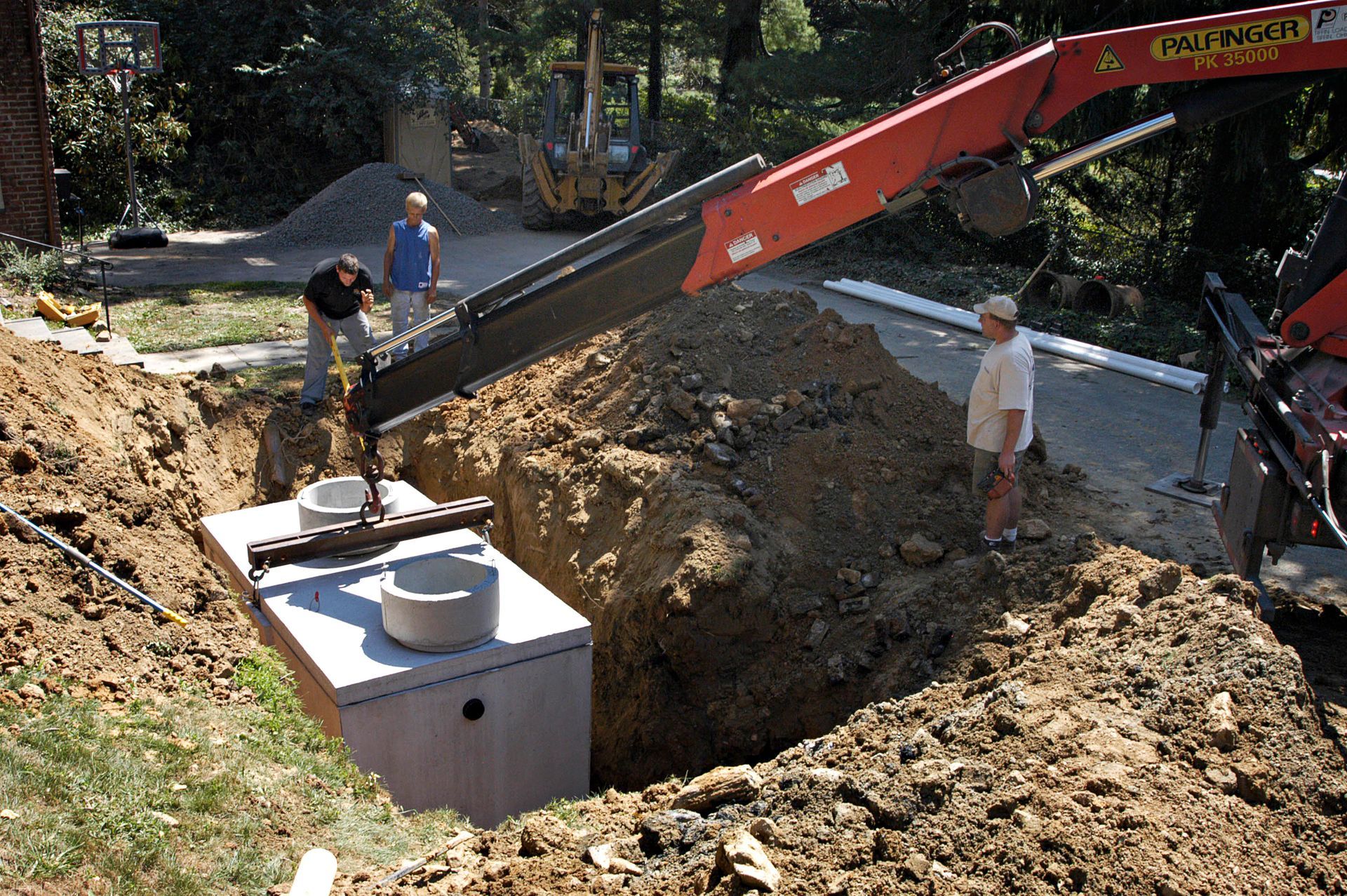
A septic system begins with its installation. Proper sizing, placement, drainage considerations, and component selection establish a foundation for long-term performance. A qualified septic tank installer evaluates the property and applicable local requirements to help ensure the system suits the site.
Installation involves more than placing a tank underground. The drainfield must be designed for the expected wastewater flow, while pipes and other components need appropriate connections and protection. Careful installation gives the system a better opportunity to function as intended throughout its service life.
Poor installation can create later problems, including drainage difficulties, uneven loading, leaks, or premature wear. Choosing an experienced septic tank installer can therefore help protect a long-term investment.
2. Considering Tank Materials
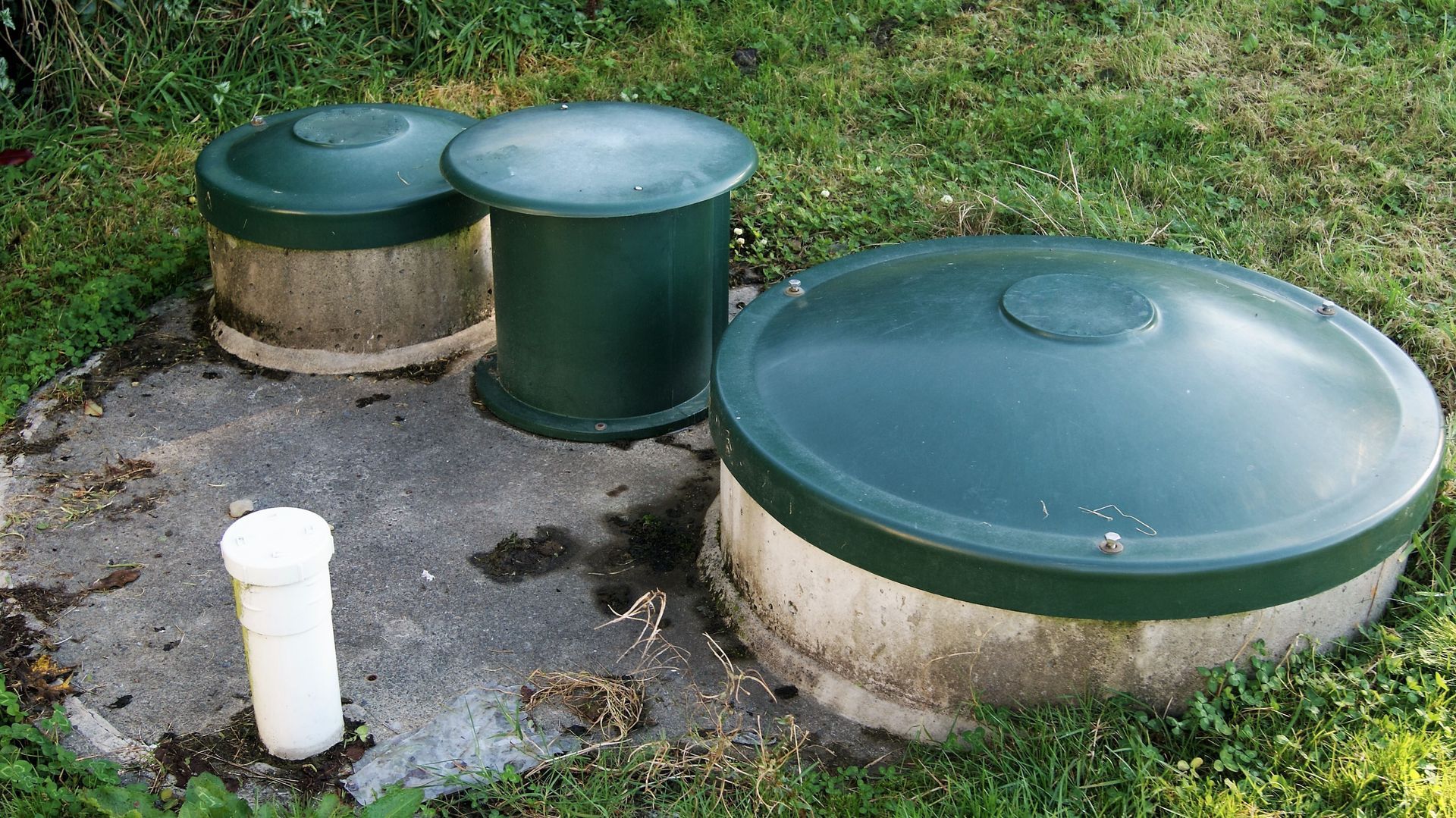
The material used to construct a tank can influence durability. Concrete, plastic, fiberglass, and older steel tanks have different performance characteristics and vulnerabilities. The U.S. Environmental Protection Agency notes that concrete tanks may last 50 years or more, while plastic tanks can have similarly long service lives when properly designed, installed, and maintained.
Steel tanks are found in some older systems and may be more susceptible to corrosion. Other materials can provide substantial longevity, but performance still depends on site conditions, structural integrity, installation quality, and maintenance.
A septic tank installer can help property owners understand how material choices relate to the property. The goal is to select components that work appropriately as part of the entire wastewater system.
3. Evaluating Soil and Site Conditions
The ground surrounding a septic system plays an important role in its performance. A septic tank stores and separates wastewater, while the drainfield depends on the surrounding soil to receive and further treat effluent. Soil texture, drainage, groundwater, slope, and available space can all influence design and longevity.
Properties with challenging soil or drainage conditions may require specialized designs. Excess water can interfere with a drainfield's ability to accept wastewater, while unsuitable soil can affect how efficiently effluent moves through the ground. Local requirements may also dictate testing, setbacks, or system types.
Before installation, a septic tank installer assesses the site as part of developing an appropriate system plan. Proper evaluation helps reduce the risk of selecting a system poorly matched to the property's natural conditions.
4. Maintaining Pumping and Inspections
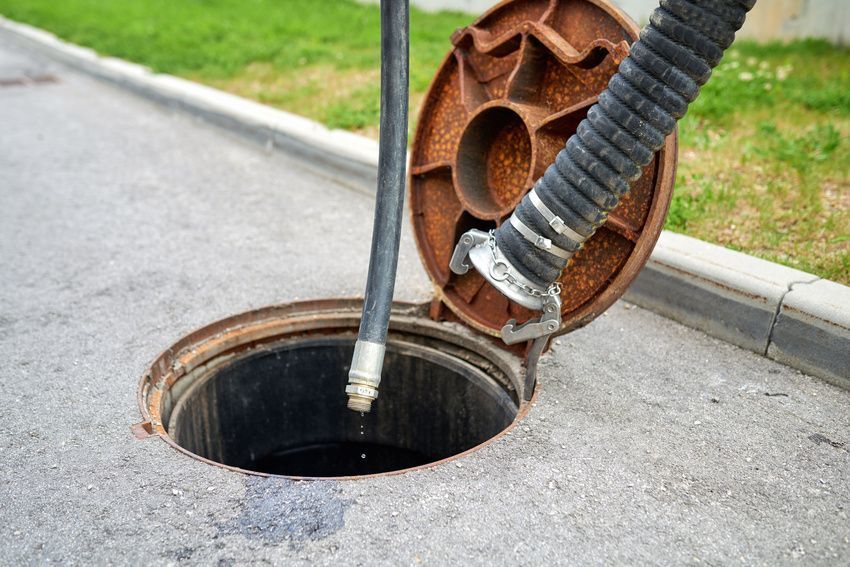
Routine maintenance is one of the most practical ways to support a long service life. The EPA recommends that the average household septic system be inspected at least every three years and that tanks typically be pumped every three to five years. Actual needs vary based on household size, wastewater generation, solids accumulation, and tank capacity.
Pumping removes accumulated solids before they can interfere with the system. Regular inspections can also identify leaks, damaged components, sludge accumulation, or other concerns. Keeping records of inspections, pumping, repairs, and system changes can make future maintenance easier.
Maintenance needs vary between households. A larger household or property with greater water use may place more demand on the system than a smaller household, so the schedule should reflect the specific system.
5. Managing Household Water Use
The amount of wastewater entering a septic system affects how hard it must work. Large volumes entering over a short period can increase hydraulic loading and place additional demand on the drainfield. Spreading laundry throughout the week, repairing plumbing leaks, and using water-efficient fixtures can help manage daily flow.
Water conservation involves using water thoughtfully and avoiding unnecessary surges. Efficient appliances, repaired leaks, and sensible scheduling can contribute to a more balanced flow.
Household size also matters. More residents generally mean more wastewater and solids entering the system. As usage patterns change, maintenance schedules may need to be reviewed with a qualified professional.
6. Protecting the Drainfield Area
The drainfield is an essential part of the septic system, and protecting it can support longevity. The EPA explains that older drainfields can experience reduced discharge capacity as biological material accumulates in the soil. Signs of trouble may include standing water, wastewater surfacing, or backups.
Heavy vehicles, construction, and inappropriate landscaping can stress the area. Property owners should also manage roof and surface water so that excessive runoff does not overwhelm the drainfield.
A well-protected drainfield can support continued system function. When concerns arise, an experienced septic tank installer can help determine whether the issue involves the tank, drainfield, distribution components, or another part of the system.
7. Recognizing Age-Related Warning Signs
Age alone does not necessarily mean a septic system needs immediate replacement. However, older systems deserve closer attention, particularly when they begin showing changes in performance. Slow drains, sewage odors, wet areas above the system, unusually lush grass, plumbing backups, or visible wastewater can indicate that professional evaluation is warranted.
The EPA notes that when a septic system is more than 25 to 30 years old, property owners should begin planning for an upgrade because the system may be approaching the end of its useful life. This does not mean every older system must be replaced immediately. Condition, maintenance history, component age, and site performance all matter.
A septic tank installer can evaluate an aging system and explain whether maintenance, repair, component replacement, or a new installation may be appropriate.
8. Planning for Seasonal Conditions
Seasonal changes can affect septic performance, particularly during heavy rain or saturated soil. Excess moisture can reduce the drainfield's ability to accept wastewater and may reveal drainage issues that were less noticeable during drier weather.
Before periods of heavy rainfall, property owners can monitor drainage, direct surface water away from the septic area, and ensure routine maintenance is current. After severe weather, unusual pooling, odors, or changes in plumbing performance should not be ignored.
For properties with changing seasonal conditions, working with a septic tank installer familiar with local requirements can support appropriate planning and performance.
9. Supporting Long-Term System Performance
A long-lasting septic system is the result of several factors working together. Quality installation establishes the foundation, appropriate materials provide structural durability, suitable soil and site conditions support treatment, and regular maintenance helps preserve performance. Household water use and protection of the drainfield add another layer of support.
There is no single expiration date that applies to every septic tank. A well-maintained system may function for decades, while another may require repairs earlier because of material deterioration, excessive loading, environmental conditions, or installation concerns.
When a new system is needed, choosing an experienced septic tank installer can help property owners address site requirements, system design, installation, and long-term maintenance considerations from the beginning.
A septic system is a significant part of a property's infrastructure, and its longevity depends on informed planning and ongoing care. Understanding installation quality, tank materials, soil conditions, maintenance, water use, drainfield protection, warning signs, and seasonal factors helps property owners make decisions. For professional guidance on septic system installation and related services, R M Ratta Corp can help property owners plan for dependable wastewater management and long-term performance.
Share On: