
5 Questions to Ask Before Installing a Septic Tank
Installing a septic tank is a major infrastructure investment for any residential or commercial property. Making well-informed decisions from the outset ensures that your system operates safely, efficiently, and in full compliance with local environmental health standards. Hiring a qualified septic installer early in the planning process provides invaluable clarity on everything from soil capabilities to long-term operational costs. Taking the time to evaluate property topography, daily wastewater generation, and long-range development plans upfront saves property owners immense stress and prevents costly unexpected excavation work down the line.
Beyond meeting immediate waste disposal needs, a properly selected and designed system protects groundwater quality, preserves surrounding vegetation, and protects overall property value. Careful preparation and clear communication with certified professionals prevent unexpected installation delays and minimize long-term repair expenses. Partnering with seasoned industry professionals guarantees that your underground utilities are positioned thoughtfully, ensuring reliable performance and total regulatory peace of mind for decades to come.
Navigating Permits, Regulations, and System Capacities
Navigating the legal and environmental regulations governing private wastewater treatment requires thorough research before breaking ground. Municipal zoning codes and public health laws dictate setback distances from property lines, wells, and natural bodies of water to prevent contamination. Securing necessary permits involves detailed site surveys, soil percolation tests, and engineering design approvals from local health departments. According to the Washington Post, roughly 20 percent of households in the United States rely on septic systems to treat their wastewater, illustrating why regulatory agencies strictly enforce these environmental protection standards.
Determining the appropriate tank capacity requires a careful assessment of household water usage patterns. Standard sizing relies heavily on the total bedroom count and anticipated daily water consumption rather than current occupancy alone. Factoring in high-use appliances, potential home additions, and peak visitor usage prevents system hydraulic overload. An experienced septic installer calculates these variables precisely to recommend a tank capacity that balances upfront investment with long-term reliability.
Failing to size a system properly leads to frequent backup issues, shortened drain field lifespans, and expensive emergency servicing. Evaluating both current demand and long-range property expansion plans guarantees that the installed infrastructure accommodates household growth gracefully without requiring premature system replacement.
Evaluating Material Options and Associated Installation Costs
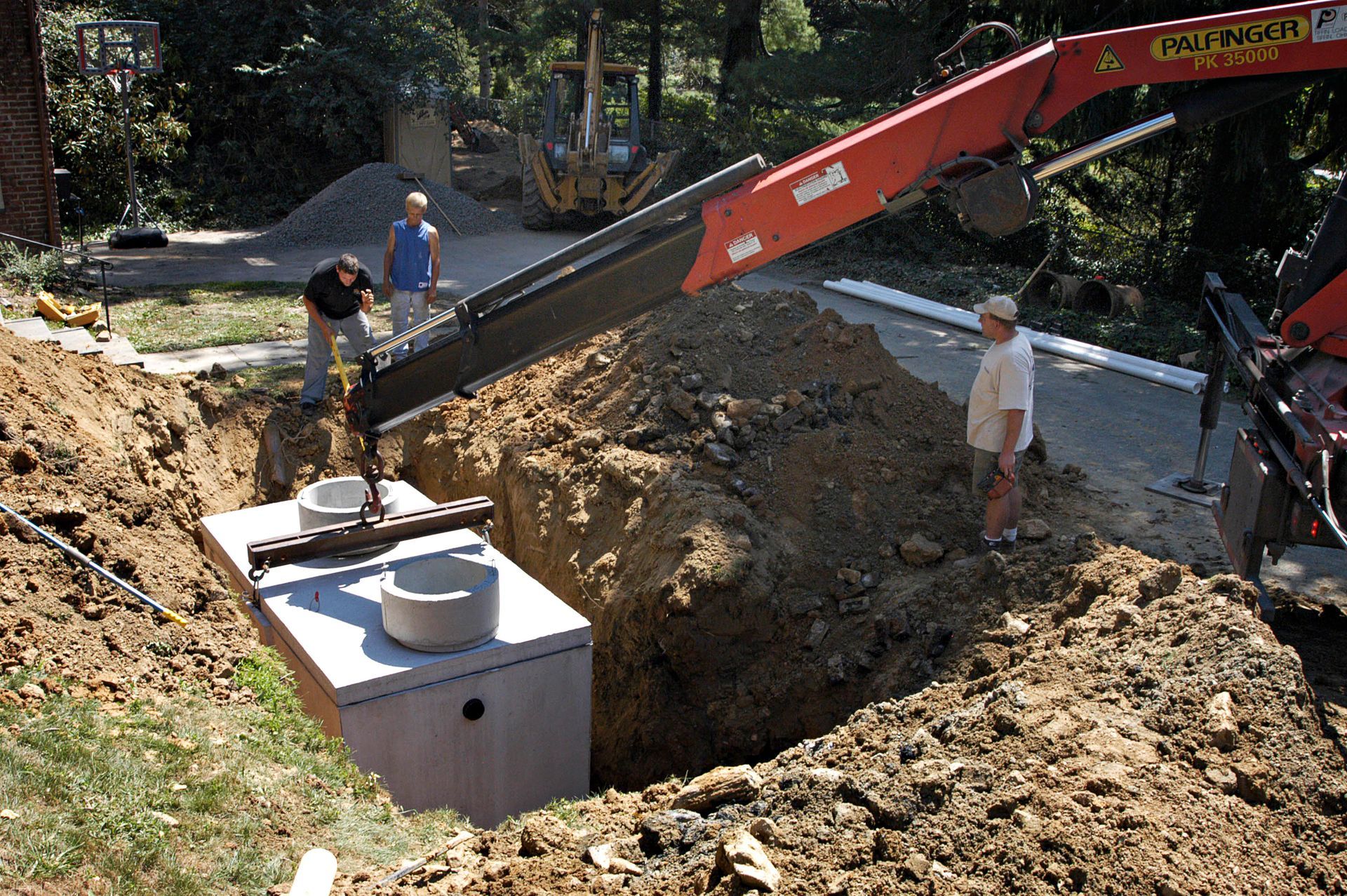
Selecting the right construction material for your septic tank directly impacts system durability and maintenance expectations. Heavy-duty concrete tanks are widely favored for their extreme structural strength and resistance to soil pressure, making them ideal for heavy soil conditions. Precast concrete units remain anchored firmly in high groundwater conditions, though their massive weight requires heavy machinery for transportation and installation. Conversely, high-density polyethylene plastic and lightweight fiberglass tanks resist chemical corrosion exceptionally well and offer much easier maneuverability on tight sites.
Every tank material presents a distinct balance of upfront expenses and long-term performance benefits. Plastic and fiberglass tanks require precise installation techniques and proper backfilling materials to prevent structural deformation or shifting under heavy soil loads. Consulting a knowledgeable septic installer helps property owners select the material best suited for local soil chemistry, water table levels, and site accessibility limitations.
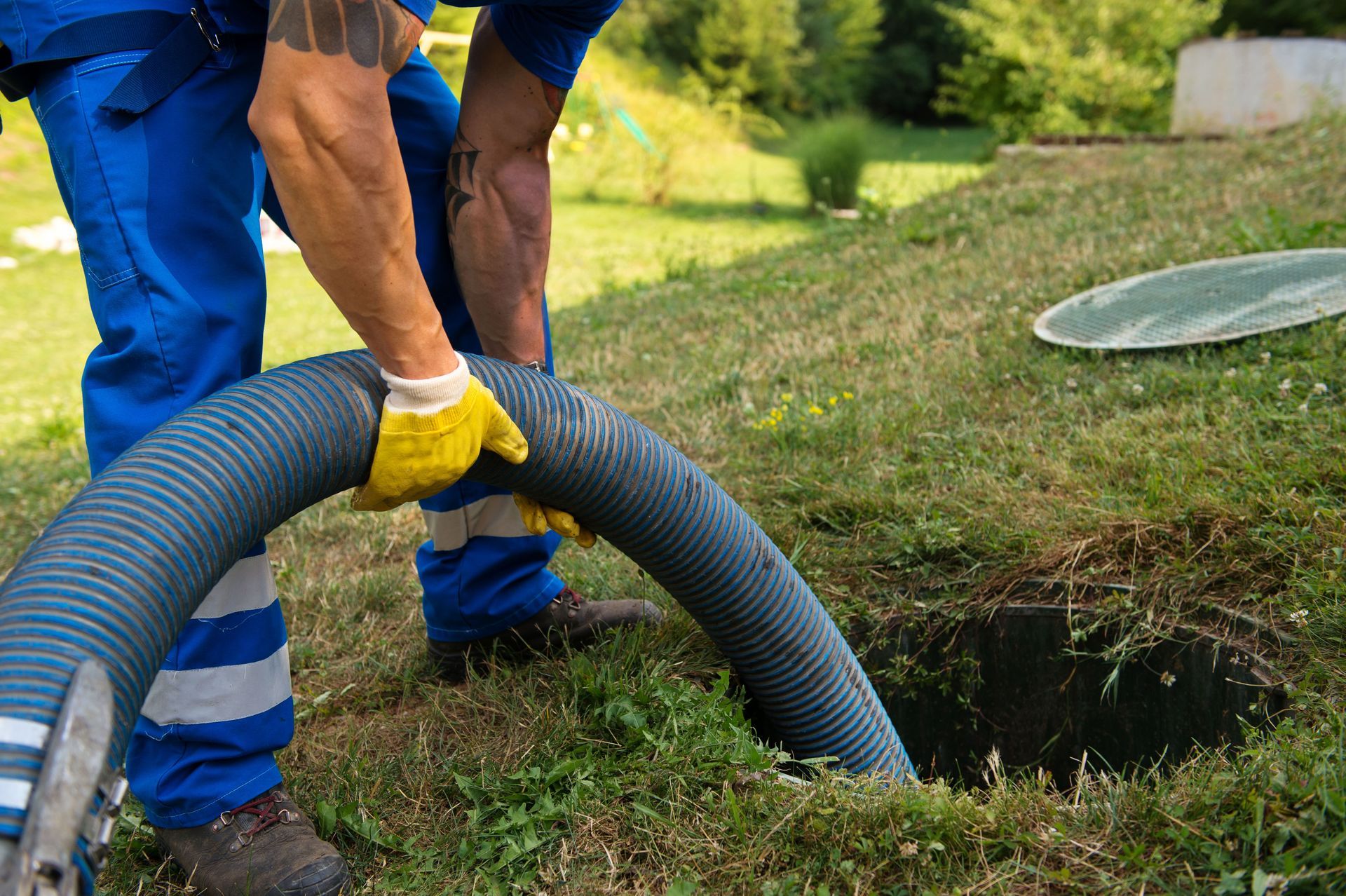
Comprehensive budgeting for a new installation must account for clear site preparation, excavation, material delivery, plumbing hookups, and final landscape restoration. Beyond initial setup costs, property owners should plan for recurring maintenance expenses such as routine inspections, filter cleaning, and periodic pumping every three to five years. Comparing clear estimates from licensed contractors helps establish a realistic budget while avoiding hidden surprises during construction.
Assessing Property Layout and Environmental Considerations
Integrating a septic system into your property layout requires strategic land management and site preservation planning. Excavation equipment, dump trucks, and heavy material haulers cause temporary ground compaction and landscape disruption during construction. Establishing clear site access routes and designating material storage areas keeps heavy traffic away from sensitive soil zones, preserving the designated drain field absorption area from premature soil compaction. Thoughtfully mapping out transit zones preserves surrounding turf and minimizes the need for expensive post-installation lawn restoration.
The drain field requires unsaturated, highly permeable soil to filter effluent naturally before it reaches underlying aquifers. Property topographies, natural drainage slopes, trees, and subsurface rock formations all influence placement decisions. Deep tree roots must be cleared or bypassed to prevent root intrusion into pipes, while low-lying areas subject to surface water pooling must be avoided to keep rainwater from flooding the system. Thorough environmental assessments guarantee that the chosen absorption area can efficiently process wastewater without over-saturating surrounding vegetation.
Integrating future construction plans into the initial site layout is equally vital. Outbuildings, swimming pools, paved driveways, and concrete patios cannot be constructed over septic tanks or absorption trenches. Working with a septic installer during the early design phases ensures that the system is positioned where it will not restrict future property enhancements or outdoor living upgrades. Proactive spatial mapping protects both your investment and future architectural choices.
Selecting a Qualified Septic Installer for Safe Placement
Partnering with a fully licensed, bonded, and insured septic installer is the most critical step in ensuring system longevity and regulatory compliance. Expert installers bring specialized knowledge of local soil behavior, heavy equipment operations, and exact grade elevations essential for proper gravity-fed drainage. Requesting references, verifying active state certifications, and reviewing past installation portfolios helps confirm contractor reliability. Establishing a relationship with a skilled specialist ensures every phase of execution adheres to rigid safety guidelines.
Professional installation techniques protect property owners from severe structural failures and site contamination risks. Skilled contractors perform careful depth checks, ensure level tank bed setting using crushed stone foundations, and verify watertight pipe connections throughout the network. Their familiarity with local inspectors also streamlines the permitting and final sign-off processes. Proper groundwork execution prevents early tank settling and mitigates common causes of premature structural wear.
Beyond physical installation, an experienced professional provides guidance on proper system operation, soil protection, and warning signs of system failure. Establishing a working relationship with a trusted professional during installation ensures that you have a reliable resource for future maintenance, system pump-outs, and component inspections.
Understanding Long-Term System Care and Maintenance
Maximizing the lifespan of a septic system requires conscientious daily habits and routine preventative maintenance. Property owners must be mindful of what enters their plumbing fixtures, avoiding non-biodegradable items, harsh household chemicals, excess cooking grease, and heavy bleach usage that disrupts necessary bacterial action inside the tank. Water conservation practices, such as installing low-flow fixtures and spreading laundry loads throughout the week, significantly reduce hydraulic stress on the absorption field. Educating every family member about proper waste management prevents avoidable plumbing emergencies and protects delicate bacterial ecosystems.
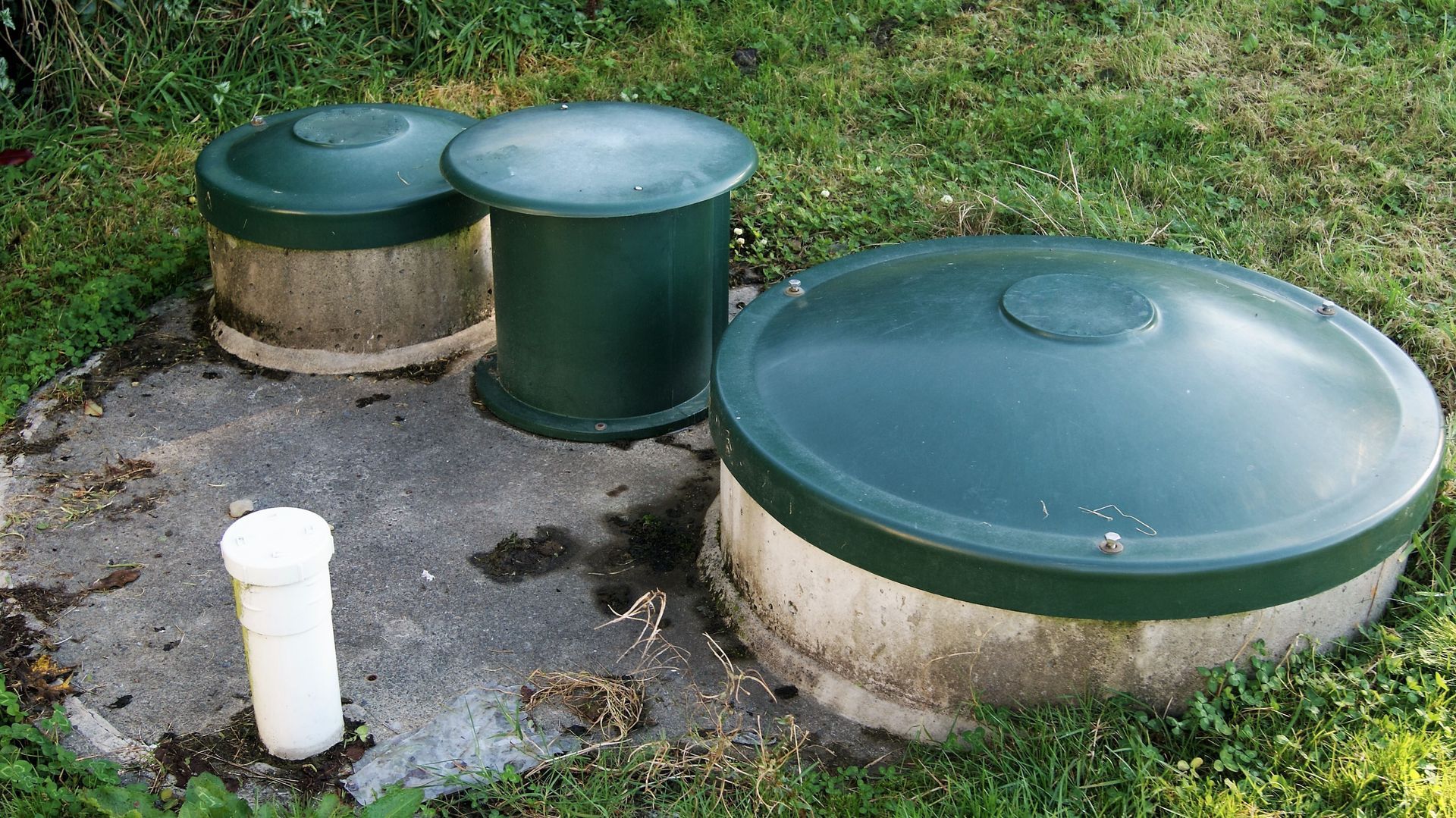
Establishing an inspection schedule with a dedicated professional keeps all mechanical components, effluent filters, and baffle walls operating correctly. Catching minor issues like worn tank risers, cracked lids, or clogged filters early prevents major system backups and avoids high repair bills. Prompt attention to slow drains, gurgling pipes, or unusual lawn sogginess near the leach field protects both your home and local water resources. Scheduling routine professional evaluations ensures minor wear and tear is identified before causing structural failure or ground surface contamination.
Investing time in smart usage habits, routine professional pumping, and proactive care keeps your system functioning trouble-free for decades. Consistent upkeep safeguards both public health and your financial investment over the life of your property. For more information about the services that we offer, reach out to our incredible team at R M Ratta Corp today!
Share On: